Raja Gopura
Raja Gopura
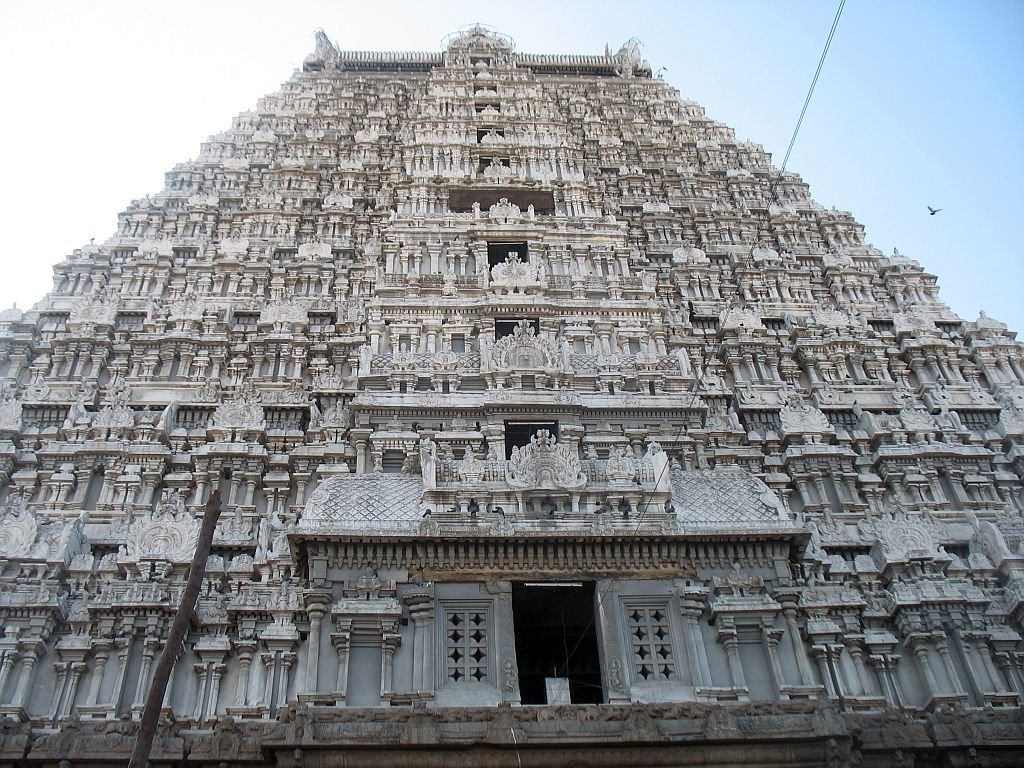
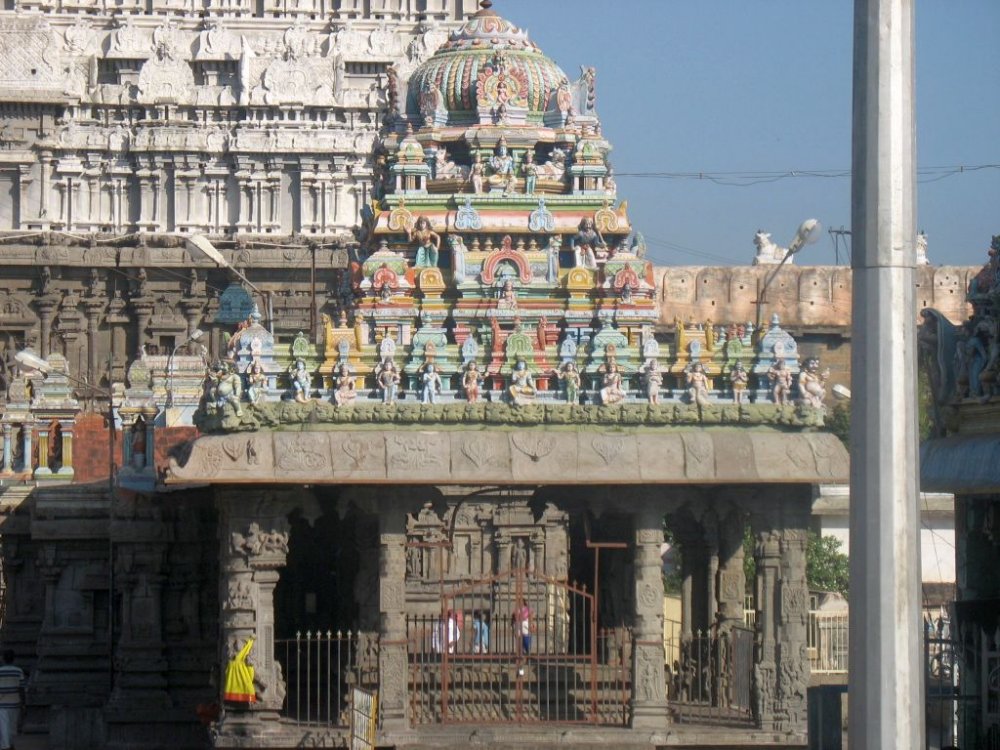
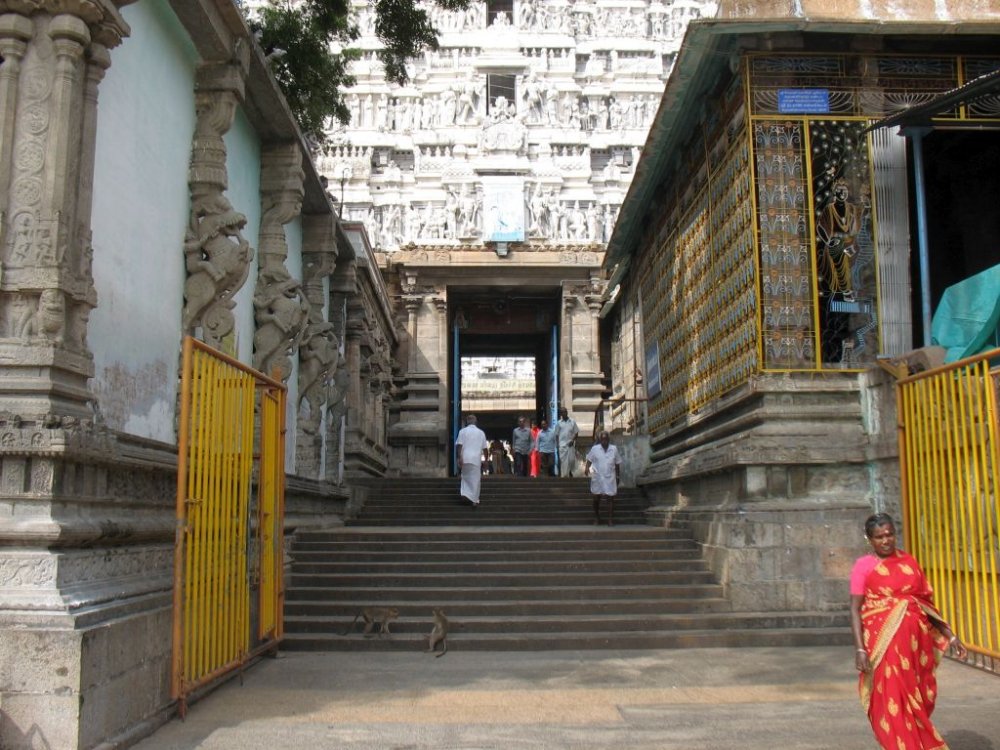
The main entrance to Arunachaleswarar Temple is via the east gate i.e.
the Raja Gopura. The Gopura built by Krishnadevaraya in 1516 A.D. is 11
stories in height (217 feet) and is the tallest Gopura in this Temple.
Thittivasal
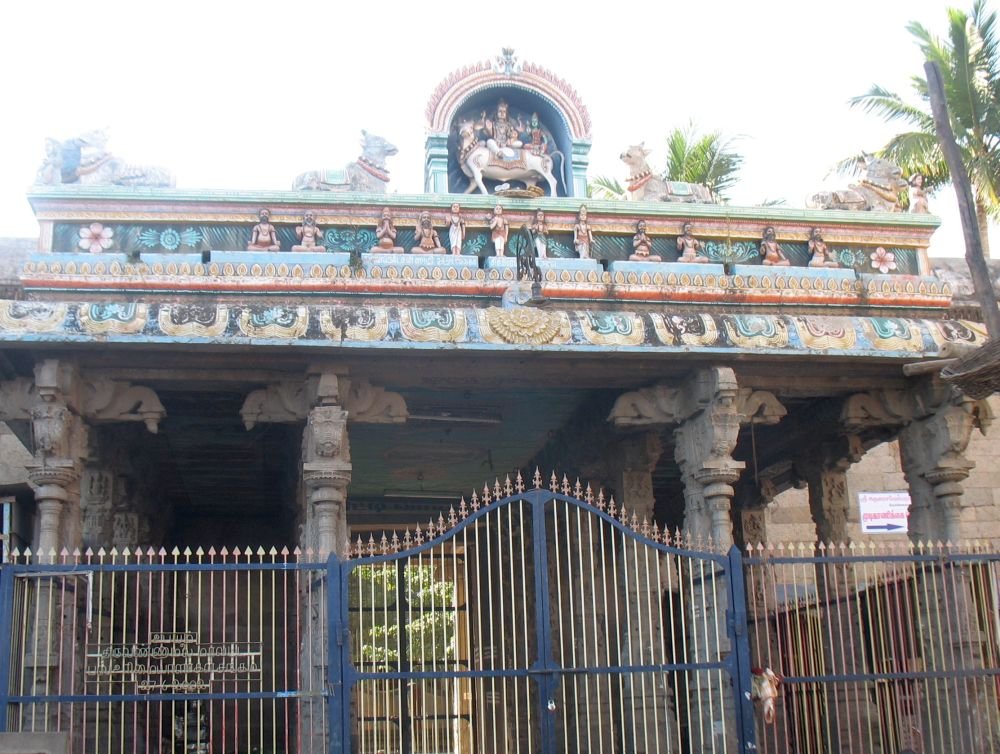
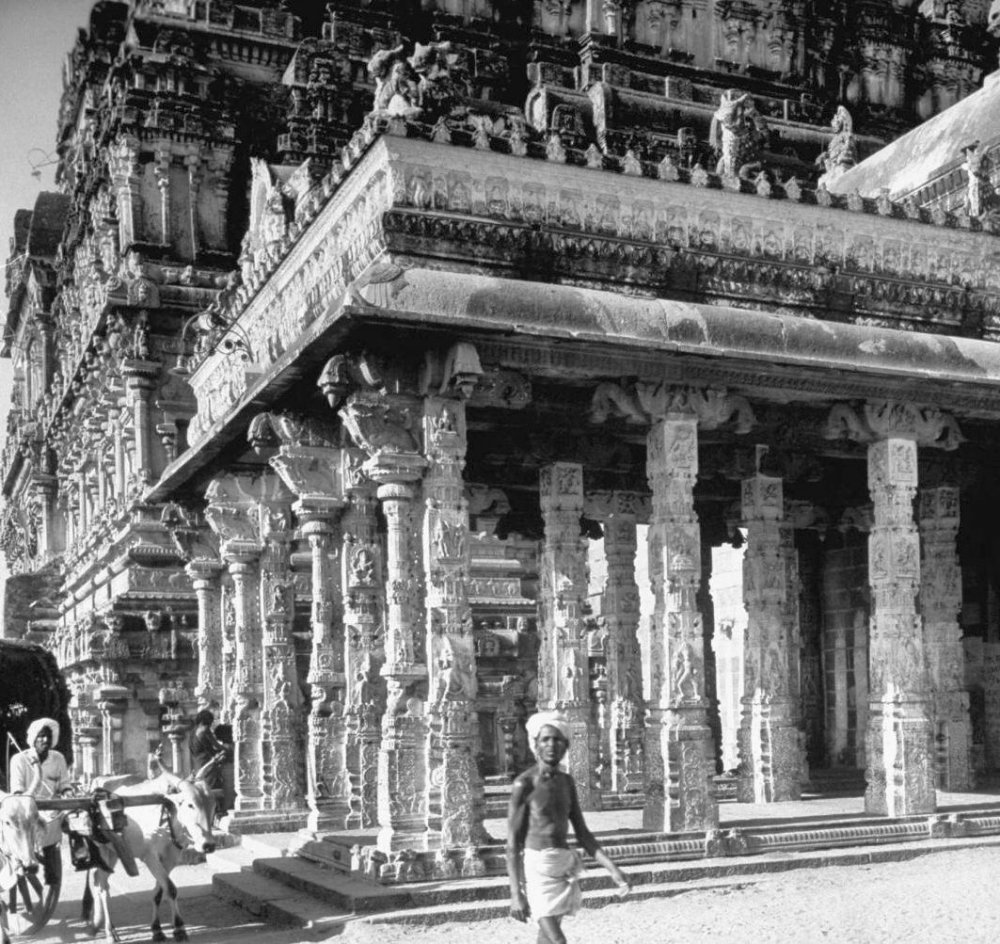
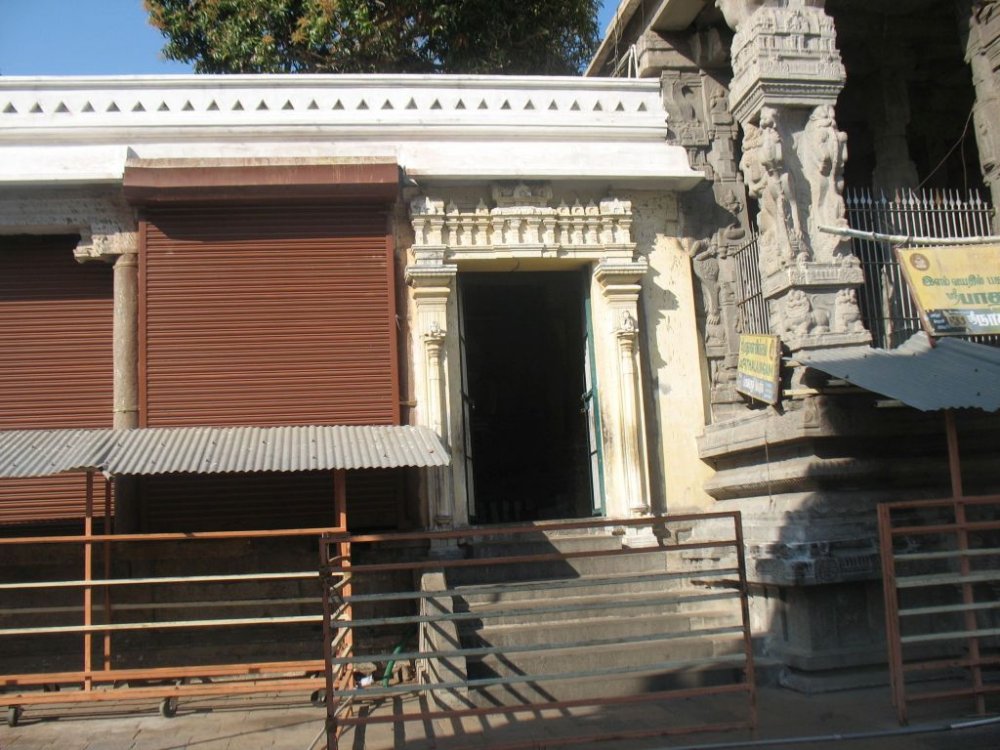
By the side of the Raja Gopura is an entrance known as the Thittivasal
which is used as an departure and access point for the deities during
Festivals.
Thittivasal outside gate
As Murtis (idols of the Divine) are taken to represent sukshma sarira
(i.e. the subtle body) they are not taken through the Eastern Gopura as
that represents the sthoola sarira (i.e. the gross body). In earlier
times the thittivasal was also used by royalty and important personages.
Thittivasal photograph from 1949
Thittivasal taken from inside Temple Compound
Masappirappu Mandapam
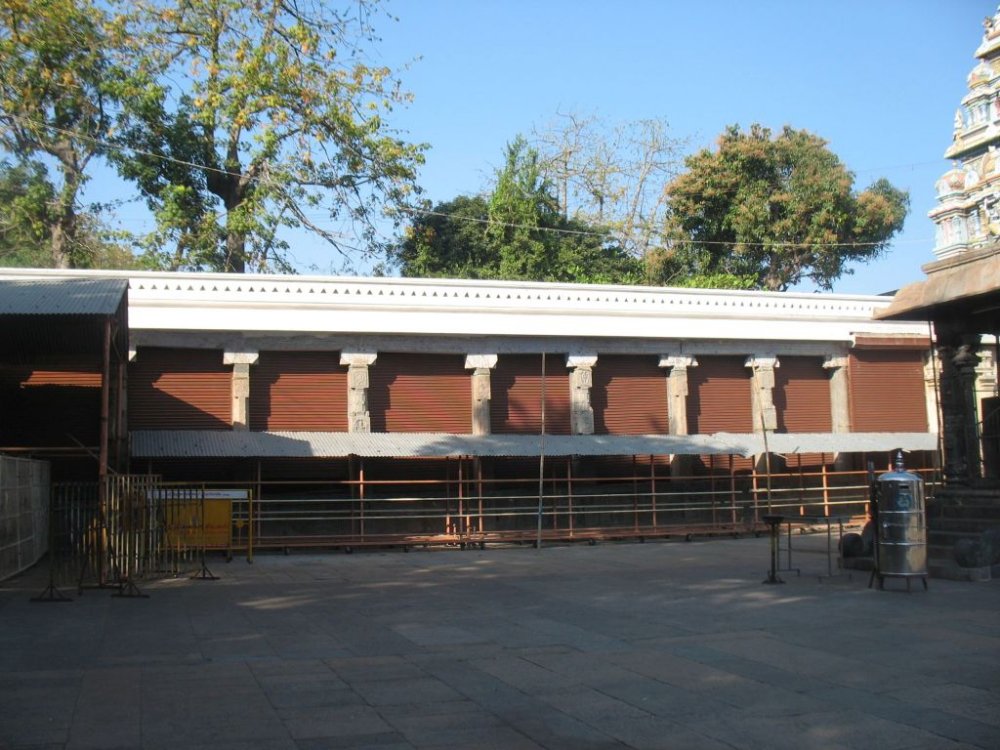
Masappirappu Mandapam
The Masappirappu Mandapam is situated at the north-east enclosure wall
of the fifth prakaram. On the first day of each Tamil month, Lord
Chandrasekarar is brought here for ablution and aradhana.
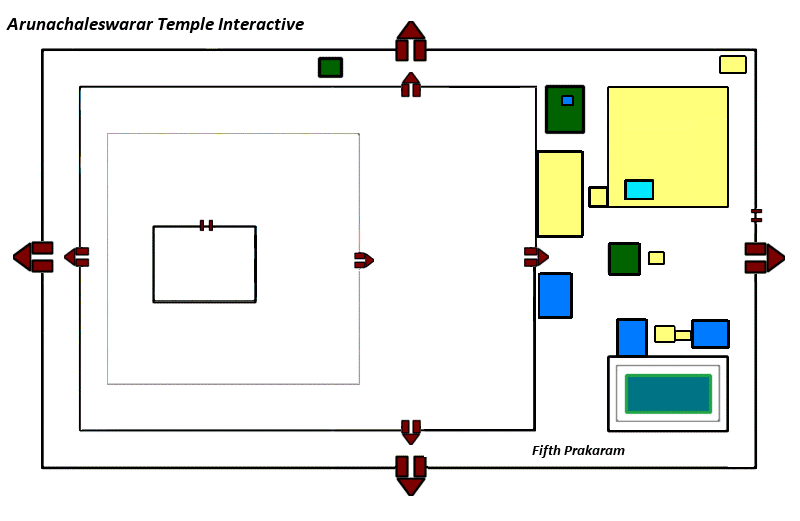
Fifth Prakaram
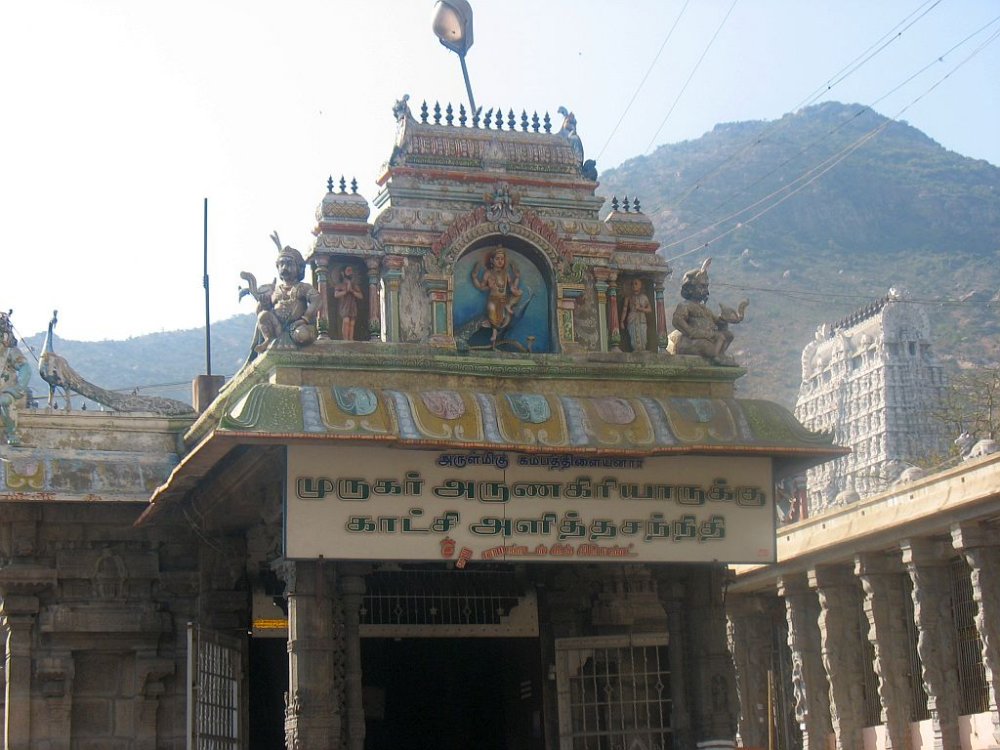
Kambathu Ilayanar Sannathi
Opposite the 1000 pillar mandapam on the bank of the Sivagangai Teertham there is a Shrine built by Vena Odeyan.
Kambathu Ilayanar Shrine
Shrine dedicated to Lord Muruga
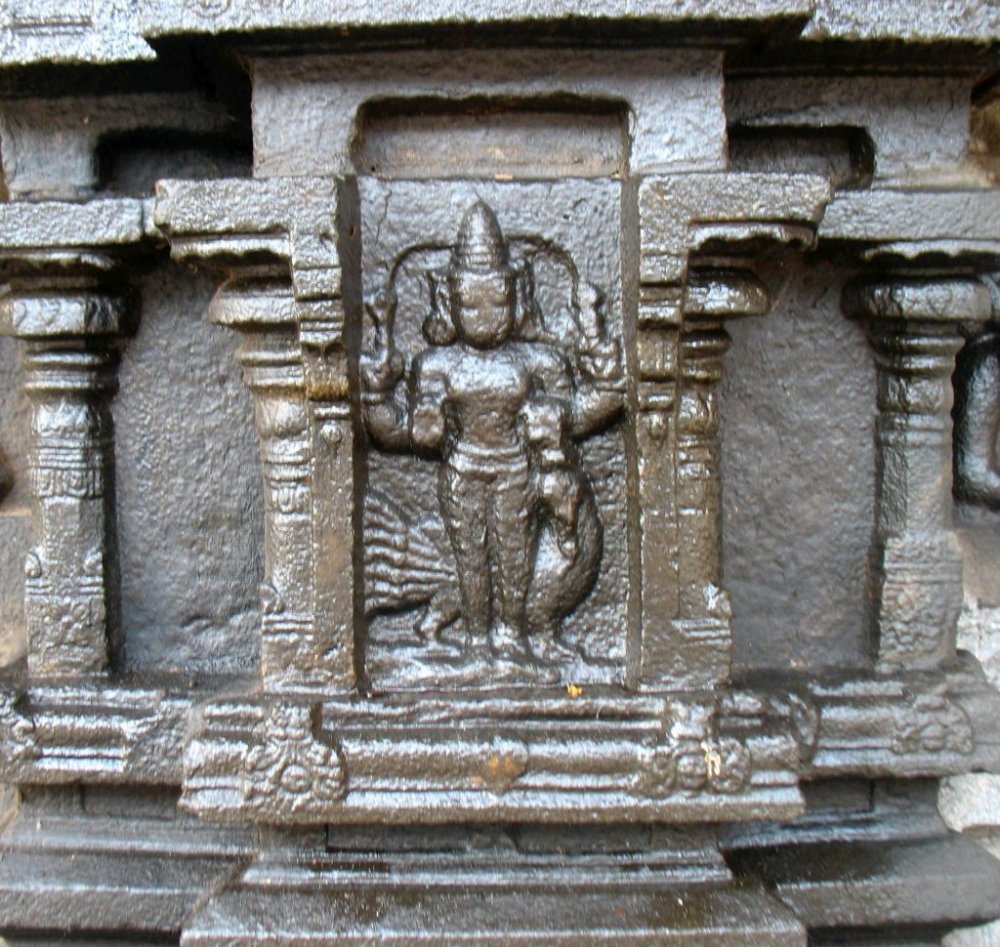
This shrine is called Kambathu Ilayanar and the figure of Lord Subramanya is carved on its north-eastern pillar.
Lord Subramanya with Peacock on pillar
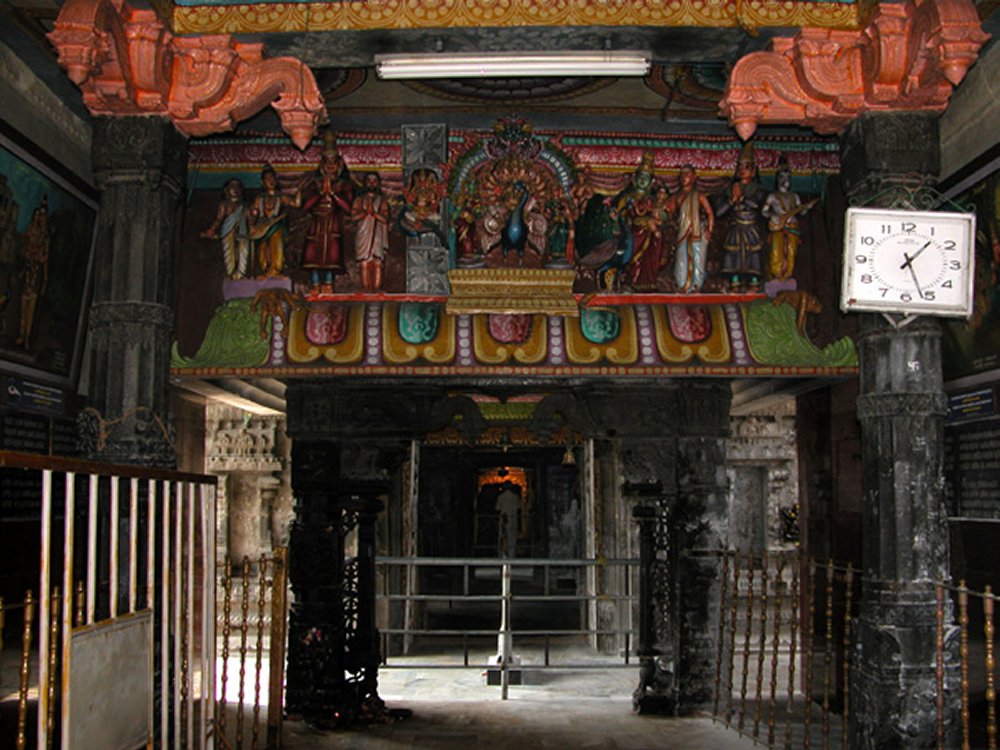
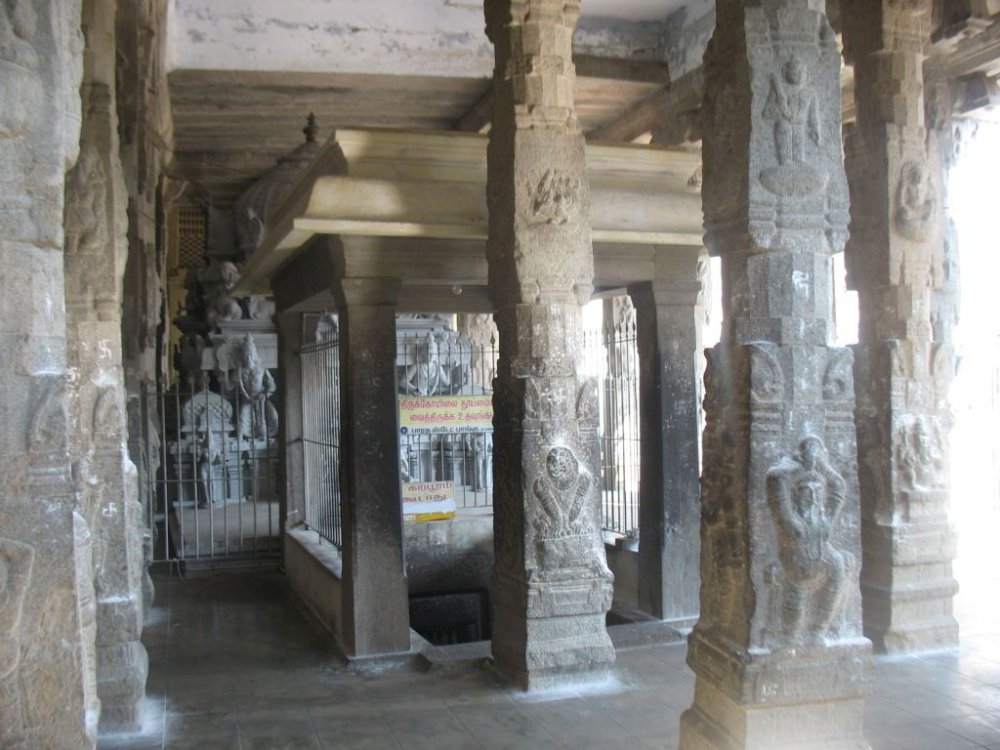
This shrine has seven steps leading upwards into the inner chambers of
the Lord Muruga Temple. At the top there is statue of Lord Muruga seated
on his Peacock. In the first chamber the two walls to the left and
right have a total of eight pictures.
Inside Lord Muruga Shrine
Details throughout Shrine
Ceiling inside Shrine
Left Wall:
1. Tiruparankundram Temple: Lord Muruga's marriage to Deivanai
2. Tiruchendur Muruga: Muruga, Chandran, Sugah
Prama Rishi (parrot faced) Verabhahu and Agastya Munivar. Centre
Tiruchendur Muruga followed by Mahavishnu, Devendran, Brahma and Narada.
3. Tiruvanakoodi; Palani Muruga. Muruga with Lakshmi, Kamadhenu, Bhudevi, Suriya and Agni.
4. Swamimalai Temple: Muruga giving upadesha to Siva
Lord Murugan anointing Arunagirinathar
Right Wall:
1. Tirutani Temple: Muruga with Valli and Deivanai
2. Alakar Temple near Madurai. Muruga with Vallii and Deivanai
3. Muruga anointing Arunagirinathar
4. Prauda Devaraya's court showing contest between Sambandandan and Arunagirinathar.
In the second chamber there is a symbol of Lord Muruga on the left wall and a painting of Sri Seshadri Swamigal.
Painting at place Swamigal meditated
This Shrine was probably built in 1421 A.D., by Proudha Deva Raya or
Deva Raya II of Vijayanar to commemorate the vision King Deva Raya had
of Lord Subramanya emerging out of the pillar (which occurred when Saint Arunagirinathar
sang in praise of Subramanya at that place). It is believed that Saint
Arunagirinathar was the inspiration for this construction. On the walls
inside the mandapam is transcribed the Saint's famous Kandar Anubuthi.
Legend of the Pillar
In the court of King Devaraya there was a famous scholar, Sambandandan,
who had a tendency to boast both about his spiritual attainments and his
religious knowledge. When Sambandandan, who was a favourite to the
King, heard of the reception accorded Arunagirinathar he felt that his
position in court to be threatened.
His jealousy motivated him to hatch a plot against Arunagirinathar which
he hoped would belittle his rival in the eyes of the King.
Sambandandan's tapas had resulted in winning a boon from the Goddess
Kali, his Ishta Devata (chosen deity). The boon was that for a period of
twelve years She would appear before him whenever he summoned Her.
Knowing that he could call on Kali to appear at any time, Sambandandan
proposed to the King that he and Arunagirinathar should have a
competition in which each would try to make their chosen deity manifest
in a form that would be visible to everyone. The King agreed to the
contest and also that the loser of the competition should leave the
Kingdom and never return.
The competition was held in publically at Arunachaleswarar Temple.
Sambandandan, full of confidence, undertook to manifest his God first.
To the accompaniment of great pomp and ceremony, he called on Goddess
Kali to appear, but for some reason She refused to manifest. In some
versions of the story it is said that the twelve-year period of the boon
had expired the previous day, so She was no longer under any obligation
to appear. Since Sambandandan was still able to communicate with Her,
even though he could not make Her appear, he got Her promise that She
would hold Muruga tightly in Her arms so that He would be unable to
manifest when Arunagirinathar called on Him.
Arunagirinathar began his attempt by singing a song. After praising
Muruga at length in verse form, he summoned Him to appear. As Muruga was
being restrained by His mother, Kali, Arunagirinathar devised a
strategy to counter Kali's influence. He thus sang a song that was so
entrancing, Kali unconsciously began to loosen Her grip on Her son. When
Arunagirinathar sensed that this was happening, he sang another song to
summon Lord Muruga's vahana (the peacock) to appear and dance before
Muruga and Kali. The peacock promptly appeared and danced in such an
enticing way, Kali momentarily forgot to hold on tightly to Muruga. At
this crucial moment Muruga leapt out of Her arms, mounted His peacock
and entered the physical world through one of the pillars of a mandapam
in the Arunachaleswarar Temple.
Legend has it that the Kambathu Ilayanar Sannathi was built around the
pillar to commemorate the great event. The manifestation of Lord Muruga
was so dazzling, the light he emanated caused Pravuda Devaraya, the
King, to lose his eyesight.
Vallaikappu Hall
This is an open 16 pillar mandapam on a high plinth, facing west with a
flight of four steps. The inner raised platform is supported by four
pillars. It is attached to the back of the Garbhagriha of the Kambathu
Ilayanar Shrine.
Mandapam attached to the back of Lord Muruga Shrine
Mandapam adjacent to Sivagangai Teertham
This mandapam is used during the Adipuram Festival i.e. the annual 10
day Parvati Amman Utsavam Festival. The Festival concludes with a
traditional Vallaikappu (bangle) ceremony and worship of Amman by lady devotees. On this day glass bangles are offered to Ambal and then distributed to devotees.
Vimana on Bangle Hall
These bangles are said to provide offspring and generally protect the
wearer from evils. In addition Valaikaappu is a Festival during which a
pregnant woman wears glass bangles as the sound of the bangles is
believed to protect her and her pregnancy from evil forces.
Sivagangai Teertham
Adjacent to Kambathu Ilayanar Sannathi is the Sivagangai Teertham which
was originally dug by King Krishnadevaraya in 1516 A.D., and was
intended for Theppotsavam. He named it 'Vasanta Kolam' and to get water
to it (it is said in his epigraph) he dug the Tirumalai Devi Amman
Samudram and connected it to the former with an underground conduit.
Sivagangai Teertham is the name of a river in Kailayam, the abode of
Lord Siva—this Teetham is named after that river. Water from this
Teertham is used for worship inside the Shrines.
Sivagangai Tank, Raja Gopuram to east
This Teertham has stone steps and is surrounded by enclosed long
verandahs called Thirumanapathi Mandapams. This tank is closed to
devotees. However it is still used for thirthavari (dipping in the water
of Hasthi Devar, a bronze metallic symbol during eclipse) and at
certain other Festival times.
Sivagangai Teertham, Arunachala to West
This tank was repaired and renamed in 1902 A.D. as "Sivagangai Teertham"
by sponsors who financed its renovation i.e. the Natukottai Chettiars.
On the walls surrounding this tank are seen two figures of helmeted
soldiers in uniform with dogs at their feet.
Sarvasiddhi Vinayaka
This shrine is on the northern bank of the tank. Sivagangai Vinayaka is
another name by which this Vinayaka is known. He is in a seated posture.
Wish Fulfilling Lord Vinayaka
The roof of the Mandapam encircling the sanctum sanctorum is painted
with various pictures of the later Nayak period and include;
Veerabadhirar, Mushikam, Dandayuthapani, Nagar and Nandi.
Sarva Siddhi Vinayaka Shrine
This shrine which faces east is situated at the northwest corner of the
Sivagangai Teertham. The shrine is within a rectangular open mandapam on
its four sides and supported by fourteen pillars.
Sarvasiddhi Vinayaka ceiling paintings
Rudraksha Mandapam
Rudraksha Mandapam
Rudraksha Mandapam ceiling
This Mandapam is located adjacent to the 1000 Pillar Hall and directly
east of the Periya Nandi. This is an open four pillar mandapam, situated
north of the Sarvasiddhi Vinayaka Shrine and in the axial line of the
Annamalaiyar Sanctum Sanctorum. The ceiling of this Mandapam is covered
with rudraksha beads. Rudraksha (Eloeocarpus) nuts are worn as sacred
beads by Saivites.
1000 Pillar Hall
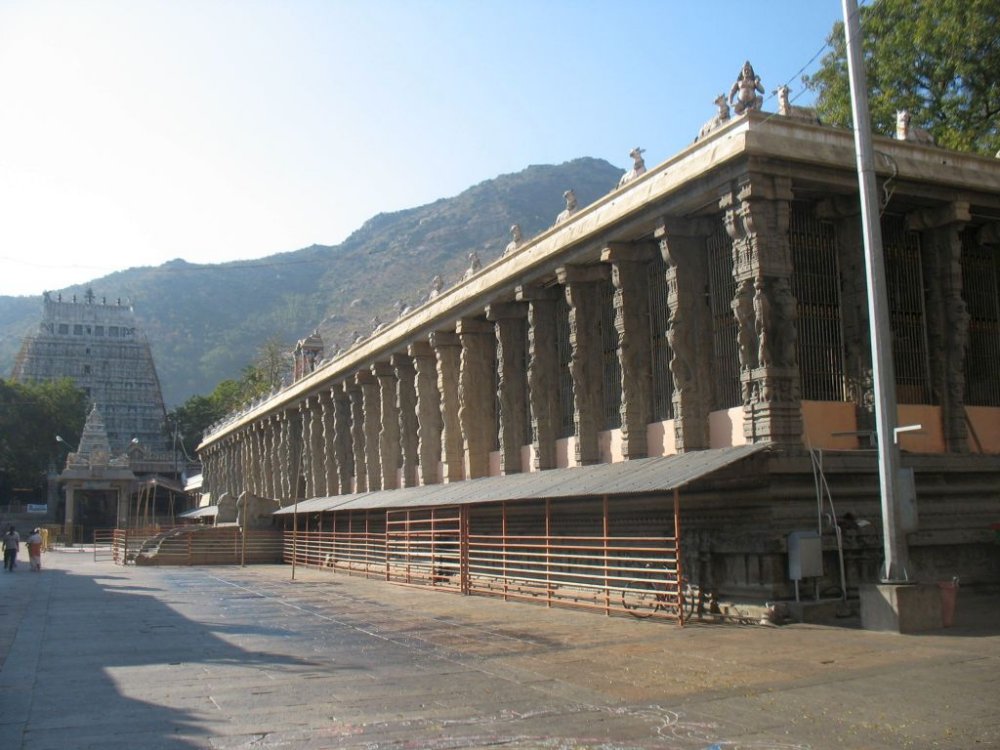
Inside the first quadrangle, on the right is the 1000 pillar mandapam
built by King Krishnadevaraya. A copper plate of around 1435 A.D.,
reveals that land measuring 275 feet (east to west) and 395 feet (north
to south) was sold to Krishnadevaraya for 500 sovereigns of gold by
members of a Mutt in Tiruvannamalai.
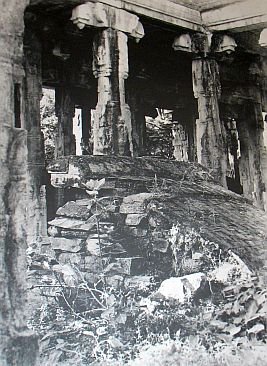
Thousand Pillar Mandapam
Picture of Mandapam taken over 70 years ago
As one enters this mandapam, the pillar on the right has on its top
(what appears to be) the figure of Krishnadevaraya, in a posture of
supplication. On the pillar opposite is his Ishtadevata. In the centre
of the pillars of this mandapam is a 2 feet high raised platform which
is used as a dais for Lord Nataraja during certain abhishekam functions as Ani Thirumanjanam and the day of Thiruvathirai.
In olden times Temple halls like the 1000 pillar mandapam served not
only for meditation and functions but also as sanctuaries for
townspeople whenever their town was under threat from warfare or natural
calamities.
This mandapam has sixteen rows of 32 pillars each on either side in a
south-north direction - leaving a central passage. The inner most
pillars on the northern side form a rectangular space with two
aniottikkals on either side. The southern side lacks one row of pillars
on each side adjacent to the central aniottikal column. The entire
mandapam is on a very high plinth. At the top and bottom of the pillars
of the Hall are figures depicting various Vishnu incarnations, and a
variety of gods and sages. On the sides of the central platform are
figures of ladies and representations of heroic feats. Every pillar is
engraved with figures and the roof is covered with various
representations of Nandi.
In the Tamil months of Aani (June-July) and Margazhi (December-January),
Lord Nataraja is ceremonially installed in the hall. After puja and
abhishekam, Lord Nataraja is taken out in procession around the mada
veedhis.
Patala Lingam
In the southwest corner of the 1000 Pillar Hall is the Patala Lingam in a
small underground shrine. This Lingam used to be connected to the mutt
that belonged to the Thondaimandala Vellas where the 1000 pillar hall
stands. Azhiavradam Poonda Tambiran (head of the Mutt) was a Siva
devotee and part of his observance included worship at a jnani's
samadhi—this is the samadhi that is now known as the Patala Lingam.
Entrance to Patala Lingam
Krishnadevaraya of Vijayanar wishing to build the 1000 pillar hall
purchased the property from the Vellalas, who went on to build a Mutt at
another place—inscriptions inside the hall describe this event. The
name Patala (i.e. underground) Lingam arose because the floor was raised
around the lingam, in order not to disturb it, thus reducing the lingam
to a lower level.
Steps leading down to Patala Lingam
This shrine was to become a meditation place for Sri Ramana Maharshi
soon after he came to Tiruvannamalai in 1896. This shrine has been
renovated twice in the last century, first in 1949 and more recently in
1996.
Patala Lingam before 1940's renovation
Vimana on Patala Lingam
Vahana Mandapam
Storage for many Festival Vahanas
The continuation of the 1000 Pillar Hall mandapam towards the Gopura
Subramanya Shrine was also built by King Krishnadevaraya and is now used
for storage of processional vahanas.
Ravana Vahana in storage
The Vahana is of the 10 headed Ravana while in storage at the Vahana Mandapam.
Ravana Vahana alangaram
The above photograph is of the alangaram Vahana ready to go on
procession during the 2014 Deepam Festival. To read the esoteric
significance of this particular vahana, go to this link here.
Temple Garden
South of the tank is a Temple garden and a small idol of Ganesha (under an Iluppai tree) known as Mangai Pillaiyar.
Big Nandi
In front of the second Gopura (called the Ballala Gopura) is a
large Nandi in a mandapam. This was installed by King Deva Raya II and
on the pillars of the mandapam are statuettes of that King and his
Queen. This Nandi has round it a framework of iron on which are arranged
lamps which when lighted form the outline of a Lingam. This statue of
the Periya Nandi is situated in a four pillar mandapam on a raised
platform, north of the Sivagangai tank and directly in front of the
Rudraksha Mandapam.
Periya Nandi outside Vallala Gopura
Periya Nandi outside Vallala Gopura
This Nandi is 6 feet long with his gaze directed to the west and the
Moolasthana. Its head is slightly turned towards north while the heads
of all the other Nandis at Arunachaleswarar Temple are turned slightly
south.
Five Temple Nandis
From east to west the five Temple Nandis are:
Periya Nandi in front of Vallala Gopuram Fifth Prakaram.
Chinna Nandi fourth prakaram
Kodi Kampathu Nandi, Third Prakaram
Ratha Vilaku Nandi, Second Prakaram
Pradosha Nandi, Moolastanam
Kalyana Eswarar Sundar Temple
The Kalyana Sundara Temple is a 24 pillar mandapam that lies to the left
of the stairs leading to the Vallala Maha Raja Gopura. Annabhishekam at
the Kalyana Eswarar Sundar Temple is held once a year on the Full Moon
day in the seventh month of the Tamil year i.e. Aippasi
(October/November).
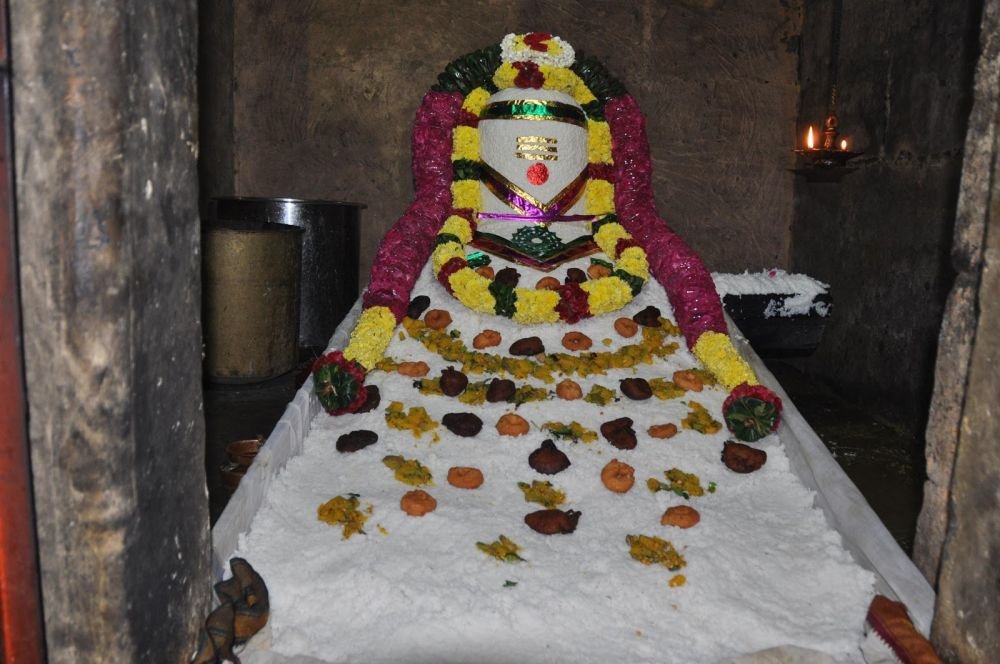
Annabhishekam which is performed at Siva Temples, is connected to the
rice harvesting time. It is performed at the time of the Full Moon as it
is considered to have the energies of bounty, abundance and expansion.
This festival gives an opportunity to people, who believe that God is
the creator of food and life, to show gratitude for the bounty they have
received.
To read more about annabhishekam at this shrine go to this link here.
Lingam covered in rice during function
The Shrine can be entered from a small opening on the stairs or from an
arched entrance within the Courtyard of the fifth Prakaram.
Kalyana Eswarar Sundar Temple
Kalyana Eswarar Sundar Temple
Devotees perform own puja in Shakti section
The actual shrine where the linga resides is enclosed having a Linga
Amman and a Nandi. A small Pillaiyar is set into the back wall close to
the small aperture that leads out onto the stairs of the Vallala Gopura.
This Ganapati is called Ucchi Pillaiyar. There is a mandapam south of
the shrine which is now renovated and in which marriages are performed.
Kalyana Eswarar Sundar Mandapam
Marriages celebrated at Mandapam
As with the Gopurathu Ilayanar Shrine, the Kalyana Sundareswarar
Sannidhi is also believed to have been extended by Deva Raya II around
the year 1421 A.D. And in this respect the Vijayaganar insignia, the
'Boar and Dagger' is seen on the basement of the Sundareswarar Shrine.
Gopurathu Ilayanar Shrine and Arunagiri Mandapam
These two structures are situated at the base of the Vallala Maharaja
Gopuram at its northern side. They are reached by a flight of stairs.
The Gopurathu Ilayanar Shrine consists of a cella and an antarala both
rectangular in shape.
The Gopurathu Ilayanar (Subrahmanya of the gateway) is housed in a
shrine built around the statue of Subrahmanya in a niche in the eastern
face of the Kambattu Ilayanar (i.e. Subrahmanya of the pillar). However
the image of Subrahmanya of that small pillar hall has become such an
object of devotion that this additional and imposing shrine was built to
shelter the pillar-deity.
Gopurathu Ilayanar Mandapam
The Shrine and Mandapam are located to the right of the stone stairs at
the bottom of the Vallala Gopura. An additional legend (which follows
below) tells that Lord Subramanya caught hold of and saved
Arunagirinathar when he flung himself off the pillar to end his life. To
commemorate this event this Temple was built adjoining the tower
(Gopurathu Ilayanar i.e. "Subramanya near the tower"). Inside this
shrine is a statue of Lord Muruga with his two wives Valli and
Devasena. There is also a copper image of Arunagirinathar praying at the
Lord's feet. To the left and right of the walls there are statues of
Vinayaka and Muruga.
The Arunagiri Mandapam is in front of this shrine which extends to the
north. It is supported by pillars on both the northern and southern
sides, leaving a central space for devotees to worship Lord Muruga in
the Shrine.
Doorway leading to Shrine
Diagrams on Wall
Shrine Mandapam
The walls of the Arunagiri Mandapam contain diagrams and pictures. One
diagram is in the shape of a chariot with a peacock flag on top. The
chariot is divided into many square. At the side there are some songs of
Arunagirinathar. A picture shows Lord Muruga blessing Arunagirinathar.
To the left of the chariot there is a plaque displaying a Tamil "Aum",
with the spear of Lord Muruga inside. There are prayers written by
Bampan Swamigal on the wall plus his photograph.
Arulmigu Gopurathu Ilaynar Hall
This shrine is believed to have been extended by Deva Raya II around the
year 1421 A.D. The Vijayaganar insignia, the 'Boar and Dagger' is seen
on one of the extensions at its junction with the Gopura. His statuette
is seen on the south wall of the shrine and in other places.
The Legend goes thus:
Arunagirinathar
is renowned as one of Tiruvannamalai's most famous saints. He was a
Muruga bhakta who lived at the foot of Arunachala in the fourteenth
century. The major turning point in his life occurred when he had spent
all his sister's money. Not knowing that she was destitute, he
approached her again in the hope of getting another hand-out. His
sister, who had nothing left except the clothes she was wearing, told
him that her funds were exhausted. Since she still loved her brother,
and since she still wanted to be of assistance to him she offered him
her own body, saying, 'If your lust is so insatiable, you can use my
body for your sexual satisfaction'.
These words deeply affected and shamed Arunagirinathar. He mentally
reviewed the wasted years of his life and came to the conclusion that he
had been committing crimes against God. As his sense of shame deepened,
he decided to commit suicide by jumping off one of the Gopurams in
Arunachaleswarar Temple. He climbed the tower, but before he was able to
jump, Lord Muruga manifested and held him back. In some versions of the
story, Arunagirinathar actually jumped and Muruga had to catch him
before he died on the paving stones below.
Muruga embraced him. Then, with his vel, (the spear he carries) he wrote
a mantra on Arunagirinathar's tongue, gave him a japamala and commanded
him to sing songs in praise of him.
Vanni Maram Vinayagar Shrine and Tree
A garden and Shrine are reached through an opening in the right wall of
the Gopurathu Ilayanar Temple. As well as a Shrine there are also
Lingams and Lord Muruga's Vel under a Vanni Maram (tree).
Vanni Maram
The Vinayagar Shrine is in the centre of a group with Goddess Lakshmi on
the left and Goddess Saraswathi above. In front there is Shanmuka and
to the left a Linga and Sakthi, to the right is a reclining Lord Vishnu.
A mouse (mushika) the vehicle of Lord Vinagayar sits facing the Shrine.
Vinayaka Shrine
Shakti Shrines
Nagalinga stones and Muruga's Vel are under the tree. This Vanni Maram
tree is ancient and very rare. Legend states that when the ancient
Pallavas were in retreat from the region, they lay down their weapons
and buried them for safekeeping under the Vanni Maram, where supposedly
they lay undisturbed for centuries.
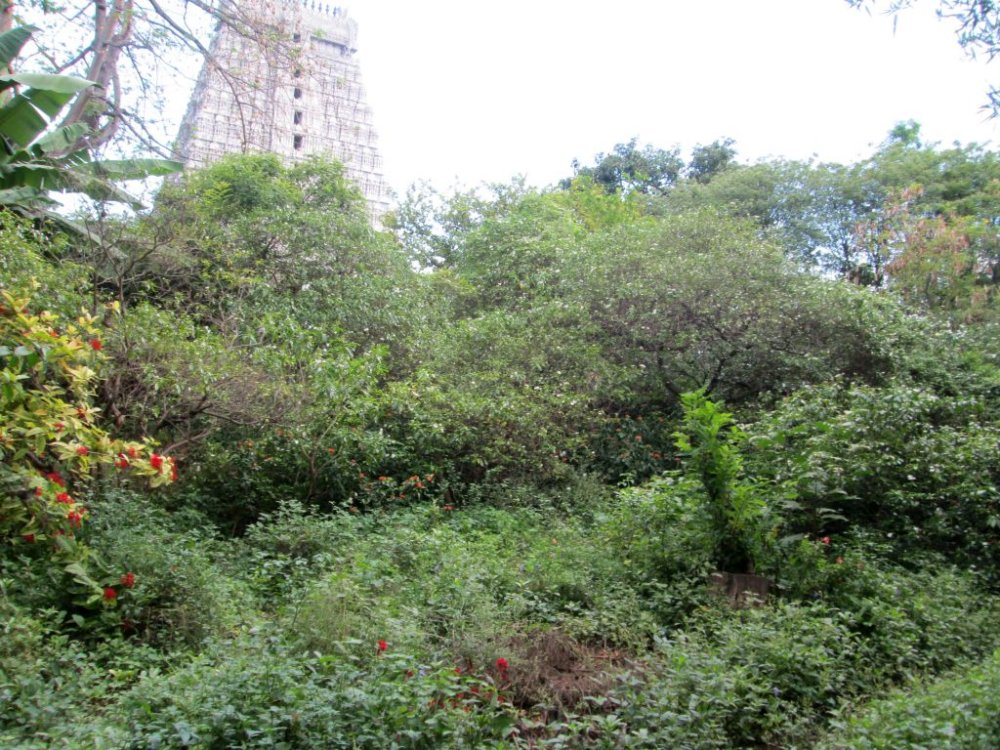
Temple gardens Raja Gopura background
Garden oasis at Temple
Profusion of greenery and birdsong
Banyan - Sthala Vriksha
The Banyan Tree is the sthala vriksha (assigned tree) of Arunachala.
This is the type of tree that Arunagiri Yogi reportedly sat under.
Several Banyan trees were previously to be found at the Arunachaleswarar
Temple compound, but in the case of the Third Prakaram (outside the
Siva Sannidhi) the tree's deep roots were feared could undermine the
integrity of the foundation of the Temple's Inner Shrine, thus the tree
was dug out and replaced by three Magizha trees (which have shallow
roots).
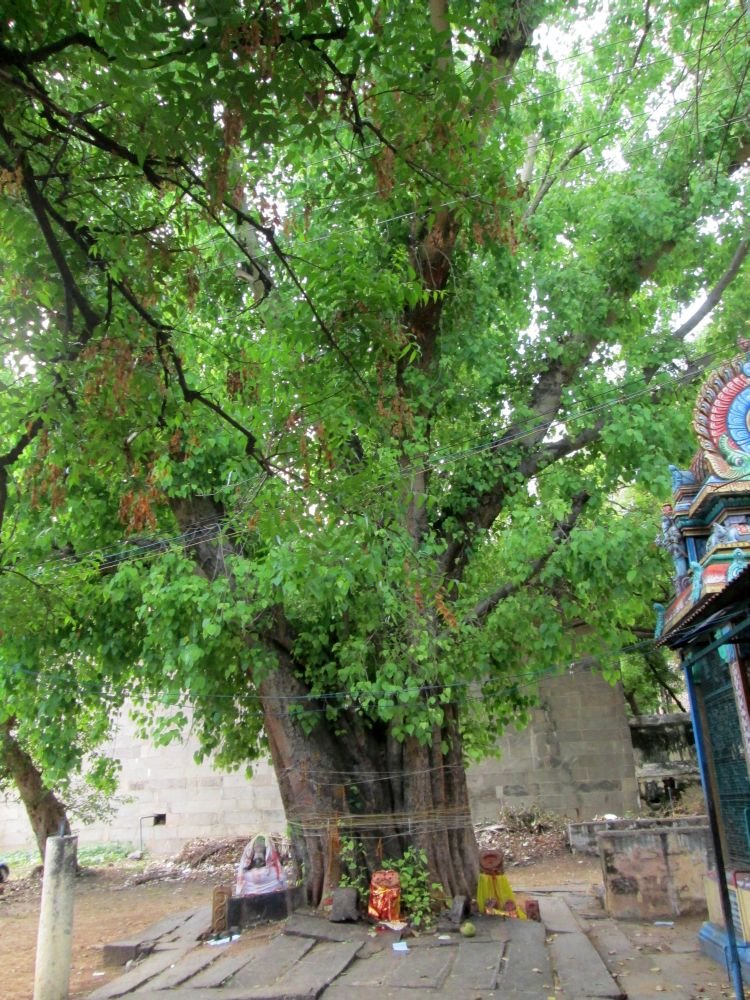
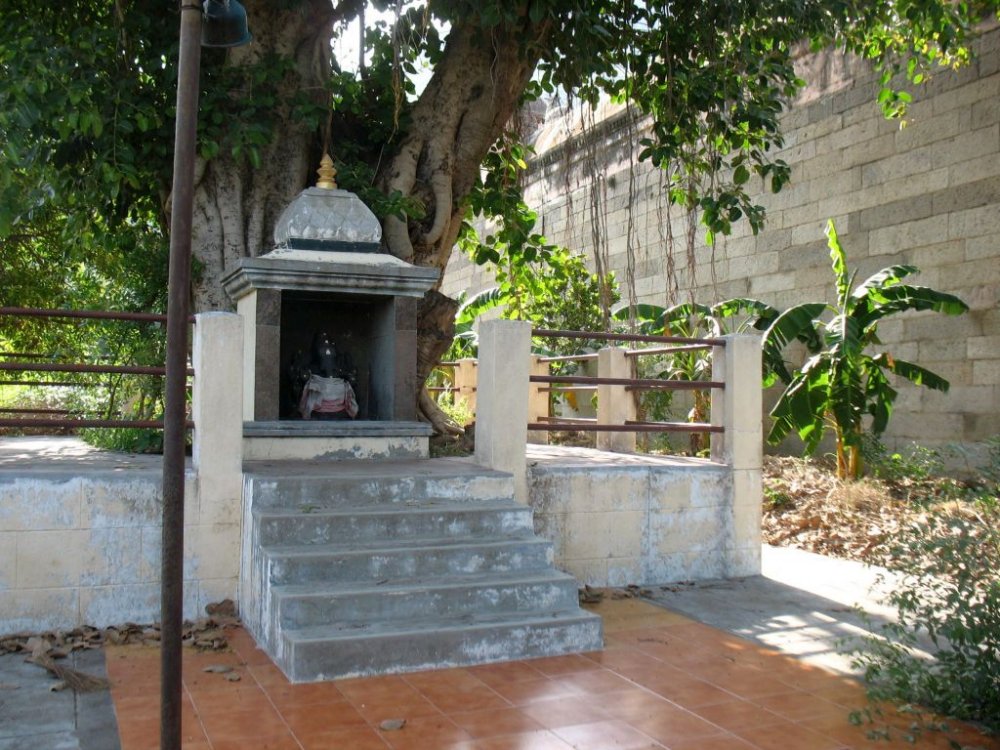
In the case of the Banyan Tree located in the Fifth Prakaram, with
access on the side avenue between the Amman Ammani Gopura and the North
Kattai Gopura, the old tree became diseased and was replaced by the
current Banyan Tree at that location. In front of the Banyan Tree is a
modern shrine dedicated to Lord Vinayakar.
Banyan Tree, Fifth Prakaram
Lord Vinayakar Shrine under Banyan Tree
The Banyan tree, which is the Sthala Vriksha tree of Arunachala is one
of the most venerated trees in India. Because of its ability to survive
and grow for centuries, it is often compared to the shelter given by God
to his devotees. It also symbolises the personality of a benevolent
ruler or head of family who nourishes and looks after all those under
his care. Its large leaf is a motif commonly used in worship, rituals
and festive sacrifices. The Banyan tree is mentioned in many scriptures
as a tree of immortality. It was under a Banyan tree that the Hindu
sages sat in a trance seeking enlightenment and it was here that they
held discourses and conducted holy rituals. In Hindu mythology, the tree
is called Kalpavriksha, the tree that provides fulfillment of wishes
and other material gains. To learn more about this extraordinary tree go
to this link here.
Vallala Maha Raja Gopura
This is the direct entrance and exit between the Fifth and Fourth
Prakarams. This Gopura was built by the Hoysala King Ballala, who was
active in Tiruvannamalai from 1318 to 1343 A.D. This tower was started
in 1328 A.D., and completed in 1331 A.D. by King Vallalan.
Steps leading to the Vallala Gopura
King Ballala fled to Tiruvannamalai after the accession of
Muhammed-bin-Tughluq and the conquest of Madurai. He was also known by
Prapachakravartin Veera Valladeva-which is the reason why King Ballala
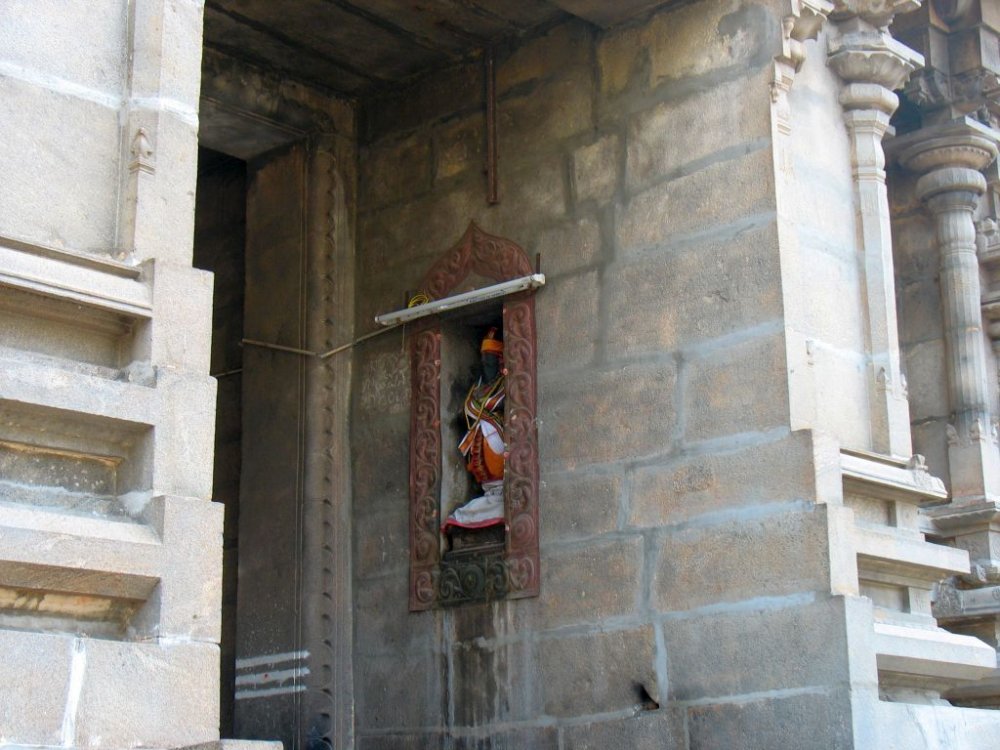
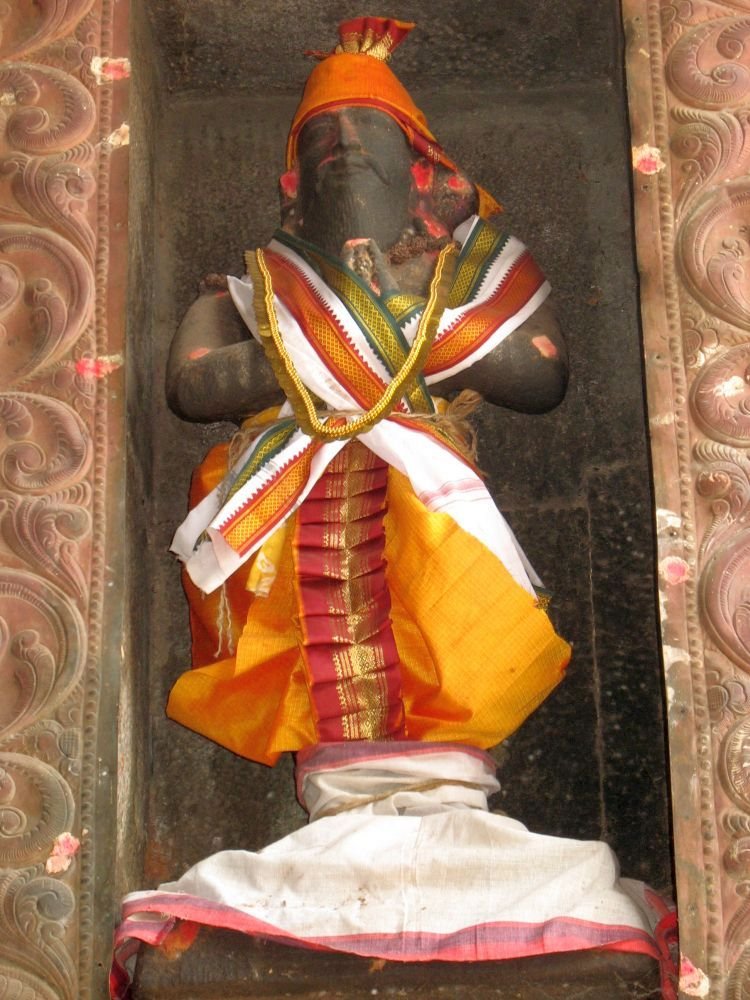
is referred to as King Vallalan. In the archway of the Vallala Gopura there is a 2½ foot statue of this Hoysala King.
Hoysala Emblem
Veera Vallala also known as Ballalan III (1291-1343 CE) ruled the
Hoysala (Hoysala=Lion Killer) Kingdom for over half a century. He was a
sincere devotee of Lord Siva and during his life time did great service
for Tiruvannamalai and built many buildings in the Temple. Even today
one of the towers in this Temple is known as Vallala Gopura.
The Arunachala Purana describes King Vallala as an embodiment of all
human virtues and he is praised for his uprightness, generosity and love
for Lord Arunachaleswarar. Nine inscriptions of Vallala are found in
this Temple. One dated 1317 reads:-
"The illustrious King Vallala Deva ruling over the whole earth and
possessing a physique like the killer of elephants, is victorious. This
Vallala Deva possessing all auspicious things was staying at his capital
which was distinguished by the name Aruna Samudra belonging to the
Hoysala Kingdom which was established with love by his father . . . "
Legends associated with King Vallalan
The Festival of Thai Poosam falls in the month of Thai (Jan-Feb) during
the constellation of Poosam and is usually dedicated to Lord Muruga.
However, in Tiruvannamalai, Thai Poosam and Maasi Magam Festivals are
connected with King Vallala Maharaja.
Lord Siva Performs King's Funeral Rites
Lord Siva wanting to test the King's dharma and devotion, appeared with
his Sivaganas in the guise of sannyasins. He sent all his followers to
the houses of dancing girls in the city and then He himself went to the
palace and asked the King for a dancing-girl. As all the dancing girls
in the city were already engaged (with the Sivaganas the Lord already
sent) the King could find no woman for him. Sallammadevi the King's
junior wife, asked the King to offer her as a suitable replacement. In
strict observance of the rules of dharma governing hospitality to
visitors, the King agreed to his Queen's offer and sent her to the
sannyasin. The devotee lay on a cot pretending to sleep. When Queen
Sallammadevi touched the sannyasin, he transformed into a child. She
took the child to the King and as soon as she handed it to him, the
child mysteriously disappeared. Pleased with the King, Lord Siva assured
him that He Himself would perform the King's funeral rites as He had
become as a child to the King.
In the Big Temple, the festival begins early in the morning with a grand
abhishekam to Lord Palani Andavar (i.e. Lord Murugan) in the
PichaiIlayanar Shrine (4th Prakaram) and Kambattu Ilayanar Shrine (5th
Prakaram). After which Lord Chandrasekara and Goddess Ambal with the
Trident deity perform circumambulation of Arunachaleswarar Temple on the
mada veddhis. After which the Gods are walked in procession to the
Esanya Teertham, crematorium and burial grounds north-east of
Tiruvannamalai. At that place, Lord Siva's weapon the Trident is
bathed and then placed beside the deities of Siva and Ambal who have
meanwhile been installed in the Mourning Pavilion of the grounds.
Before returning to Arunachaleswarar Temple, near the statue of
Harischandra (at the entrance of the burial grounds) a person dressed in
black robes, the "Otran" (i.e. spy or secret messenger) halts the
procession and gives a message to the Temple singer. The musicians
accompanying the procession stop playing and the Temple singer reads out
the announcement of King Vallala's death. After which the procession
returns homeward to the Temple with the musicians now playing a funeral
dirge. To read the legend of King Harischandra and burial grounds,
go to this link here.
When the Gods arrive back at the Temple, the procession stops at the
statue of King Vallala installed in the niche between the Fifth and
Fourth Prakarams and a member of the Vallala community bathes and
decorates the statue of the King.
The final commemoration of this historic event happens at the festival
of Maasi Magam during which the last rites for the departed King are
performed by Lord Siva himself (since it is traditional in India for the
son to perform the last rites of his father). Even now in the month of
Maasi (February) when the annual anniversary of King Vallala Deva's
death occurs, at the instruction of Lord Arunachaleswarar, the Lord is
taken in procession with great Ceremony to the village Pallikonda Pattu,
where the funeral rites take place. This festival is known as 'Masi Maga Theerthavari' where Temple priests (acting as proxies of the Lord) annually perform the funeral rites of the King.
King Vallalan Gopura
According to a traditional story which is well-known in Tiruvannamalai,
King Vallalan, after building what is now known as the Vallala Gopura,
felt great pride in his achievement. Lord Arunachaleswarar noticing that
the feeling 'I have built this great Gopuram', was strongly rooted
inside him, decided to teach him a lesson.
There is a ten-day festival in which Arunachaleswarar is paraded each
day through the streets of Tiruvannamalai. In the first festival after
the Gopura was built the God initially refused to leave the Temple via
the passage in the centre of the new Gopura. For the first nine days of
the Festival Lord Arunachaleswarar always left the Temple via a
different route. On the tenth and last day the King realised his mistake
and became humble. He broke down and cried before the Lord, begging His
forgiveness and pleading that He use the new Gopura for just one day.
Lord Arunachaleswarar seeing the King's pride had abated, granted his
request. Immediately the temple workers found it easier to go through
the tower gate built by the King. This particular Festival is still
celebrated at Tiruvannamalai. To commemorate King Vallalan's attack of
pride and his subsequent humility, Arunachaleswarar is only taken
through the King's Gopura on the tenth and final day of the Festival. On
the rest of the days other routes are used.
This tower was started in 1328 A.D., and completed in 1331 A.D. by King
Vallalan. His statue of 2½ feet is installed in a niche in the tower and
the tower is known as the Veera Vaiboga Vallala Maharaja Gopura.
Statue of King installed in side niche of Gopura
King Vallalan Maha Raja
Note: Although construction of the fourth and fifth
enclosures and their buildings extended over two hundred years, from the
fourteenth to the sixteenth centuries, the asymmetrical placing of the
gateway on all four sides of the fourth enclosure indicates that a fifth
enclosure was planned from the outset. The Brahma Teertham Tank,
originally outside the Temple precincts, as is often the case, was
included in the fourth enclosure where two pillared halls were erected
on the West Side, as well as one the east, the Puravi Mandapam.
|